HIDDEN STORIES

DID YOU
KNOW?

Extraordinary and lesser-known facts from the life of Josef Ganz — stories that reveal just how deep his influence ran, and how close he came to receiving the recognition he deserved.

JOSEFGANZ.ORG
360+

CITED REFERENCES

30+

PATENTS

20+

YEARS OF RESEARCH

Bundesverdienstkreuz, First Class
Picture courtesy of bundespraesident.de
POSTWAR GERMANY

Did you know ... that Josef Ganz should have received the Bundesverdienstkreuz?

In 1965, following major articles in the British magazine Motor and Australian Motor Sports & Automobiles recognizing Josef Ganz as a visionary behind the Volkswagen concept, the West German Embassy in Australia contacted the Australian government to announce that the Federal Republic of Germany intended to award Ganz the Bundesverdienstkreuz Erster Klasse (Federal Cross of Merit, First Class). The official citation stated that "in his capacity as editor of Motor-Kritik between 1928 and 1934, Mr. Ganz, together with other engineers such as Professor Porsche, made a significant contribution to the realization of the Volkswagen project" and that "his technical ideas involving rear engines and rigid axles greatly advanced the German automotive industry." However, an Australian law required that foreign decorations could only be accepted if no more than five years had passed since the achievements in question. The Prime Minister's office responded that Ganz had not worked for the German industry since 1934. Josef Ganz himself never learned of the attempt to honor him. He spent his final days at home, barely able to leave, finding joy in letters from relatives and friends in Europe.

VOLKSWAGEN ERA

Did you know ... that Volkswagen wanted to pay him a pension?

Volkswagen director Heinrich Nordhoff asked Josef Ganz to return to Germany and take on a position at the Volkswagen factory, but this became impossible due to Ganz's declining health. In 1964, Volkswagen planned to grant him a supplementary pension for having "devoted himself at a very early stage, since 1928 or perhaps even earlier, with his entire person and despite many difficulties, to the creation of a 'German Volkswagen'."

BEYOND AUTOMOTIVE

Josef Ganz's inventive genius extended far beyond the automobile. From his very first patent at age 12, through precision tools to Olympic sporting equipment, his engineering brilliance touched every field he entered.

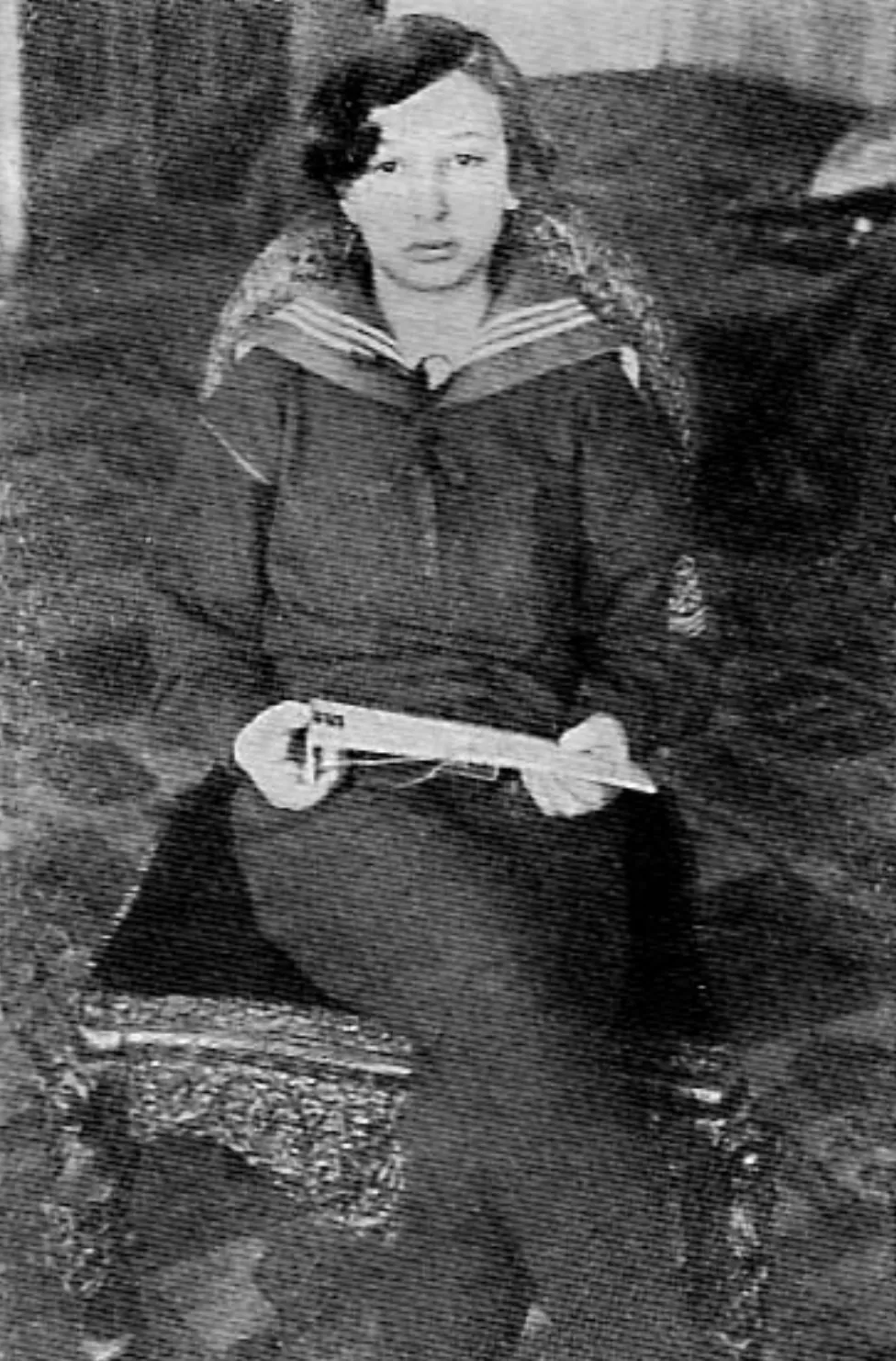
Young Josef Ganz in sailor suit holding his patent, circa 1910
1910 • VIENNA

FIRST PATENT AT AGE 12

In 1910, twelve-year-old gymnasium student Josef Ganz was celebrated as one of "three wonder children from Austria." That year, young Ganz filed his first patent for a "safety device for trams" at the Austrian patent office.

After the patent was granted, his photo in sailor suit appeared in the magazine Stadt Gottes. Experts confirmed it was "a very excellent invention," and the article predicted: "The young technician has already made several other remarkable inventions and therefore promises to become a famous man."

That same year, he won a prize in a competition for building a "flying machine of his own construction," competing against 160 other children — a testament to his boundless inventive spirit from the very beginning.

FIRST PATENT AT AGE 12

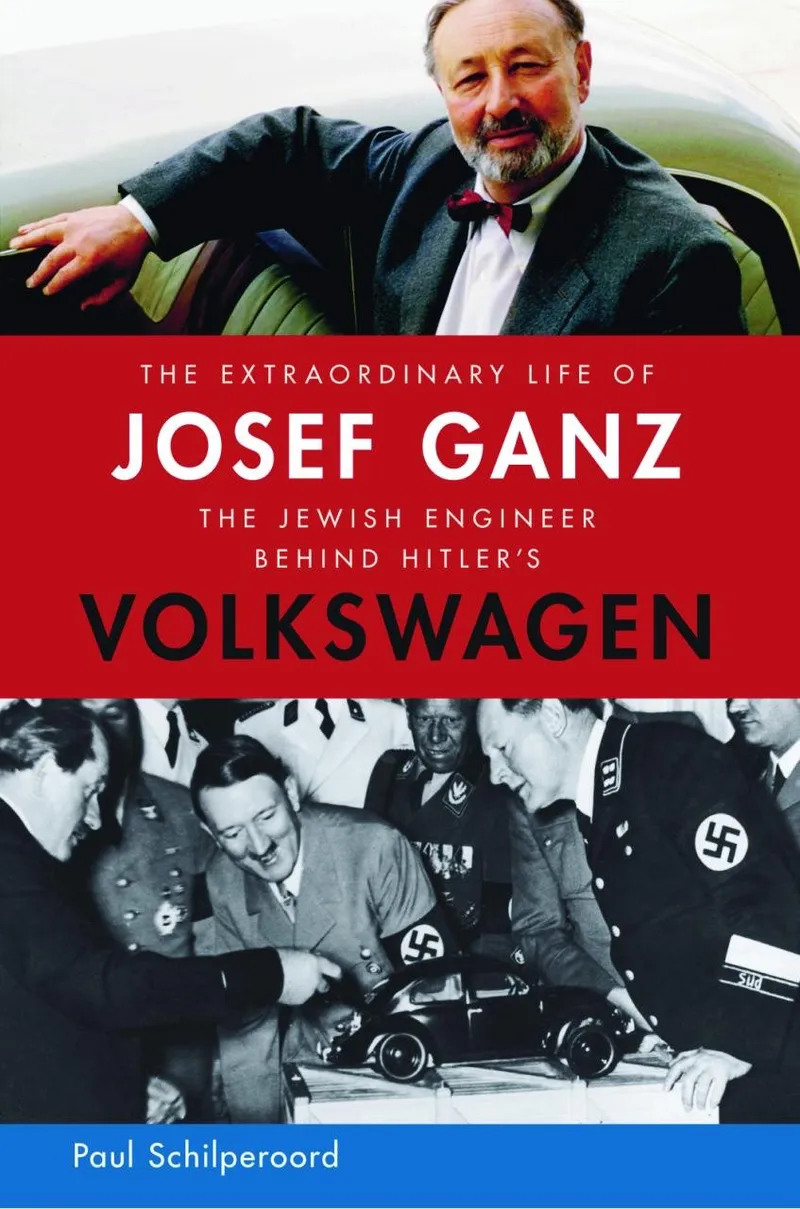
The Extraordinary Life of Josef Ganz by Paul Schilperoord — book cover

THE BOOK

The Extraordinary Life of Josef Ganz: The Jewish Engineer Behind Hitler's Volkswagen is a comprehensive biography by Paul Schilperoord, based on more than two decades of independent research in archives in Germany, Switzerland, Austria, and other countries.

Drawing on documented primary sources, the book examines Ganz's technical ideas, patents, prototypes, and professional network, including his involvement with projects such as the Ardie-Ganz prototype, the Adler Maikäfer, the Standard Superior, and the Swiss Rapid. It also traces how political circumstances after 1933 affected his career and historical recognition. The information presented on josefganz.org is derived from the documented sources cited in this work.

MORE ABOUT THE BOOK

HISTORICAL CONTEXT

Josef Ganz's ideas and patents contributed to the development of several innovative small-car designs of the early 1930s, including the Ardie-Ganz prototype, the Adler Maikäfer, the Standard Superior, and the Swiss Rapid prototype. He also collaborated with major German manufacturers and maintained professional contacts within the automotive industry. After the Nazis came to power, Ganz — who was Jewish — was arrested by the Gestapo and forced to leave Germany in 1934. During the Nazi period, his career in Germany was cut short and his role in early small-car development received little recognition in contemporary automotive histories.